
Batangas · 2024
Turnkey caged layer house
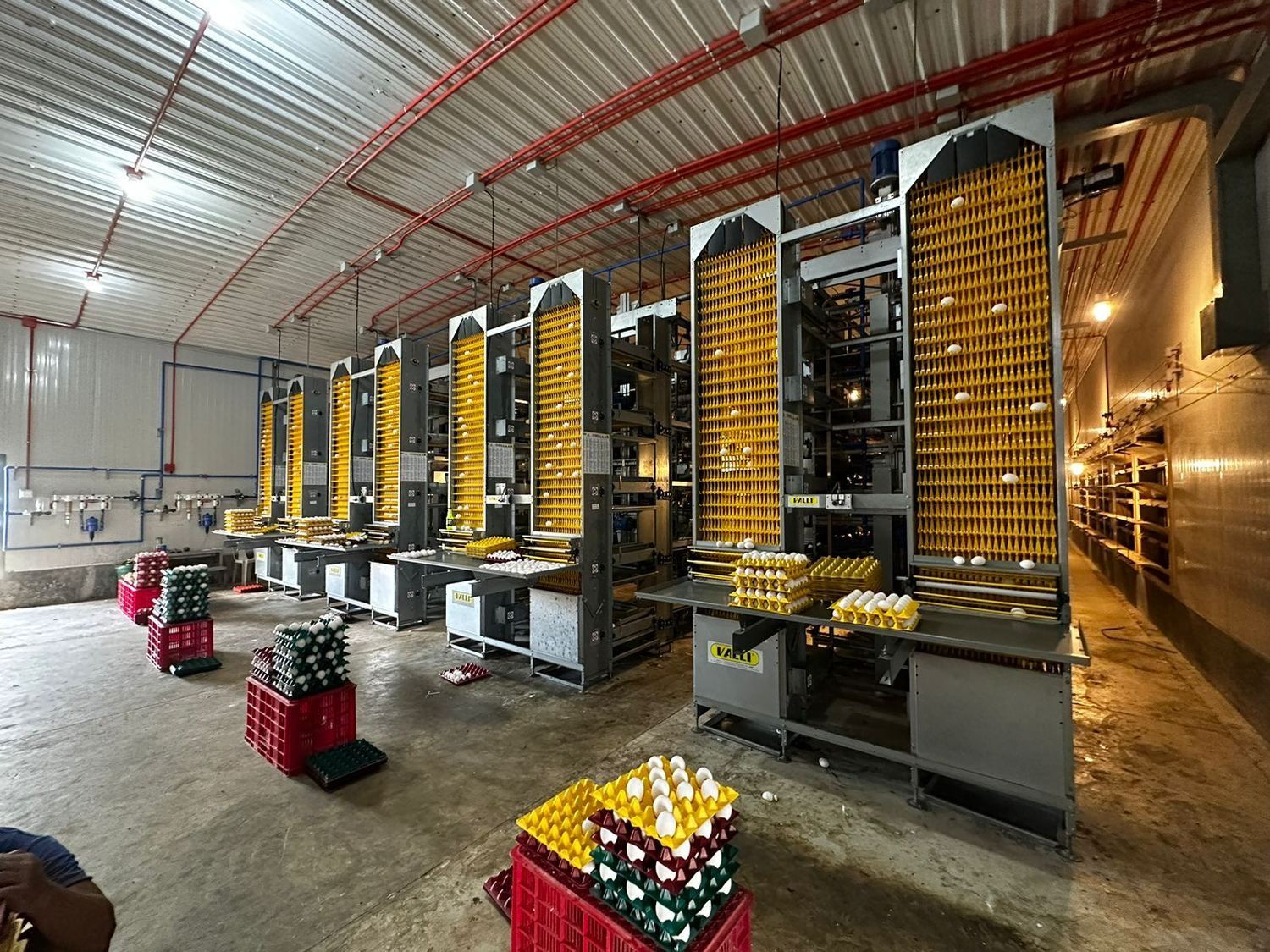
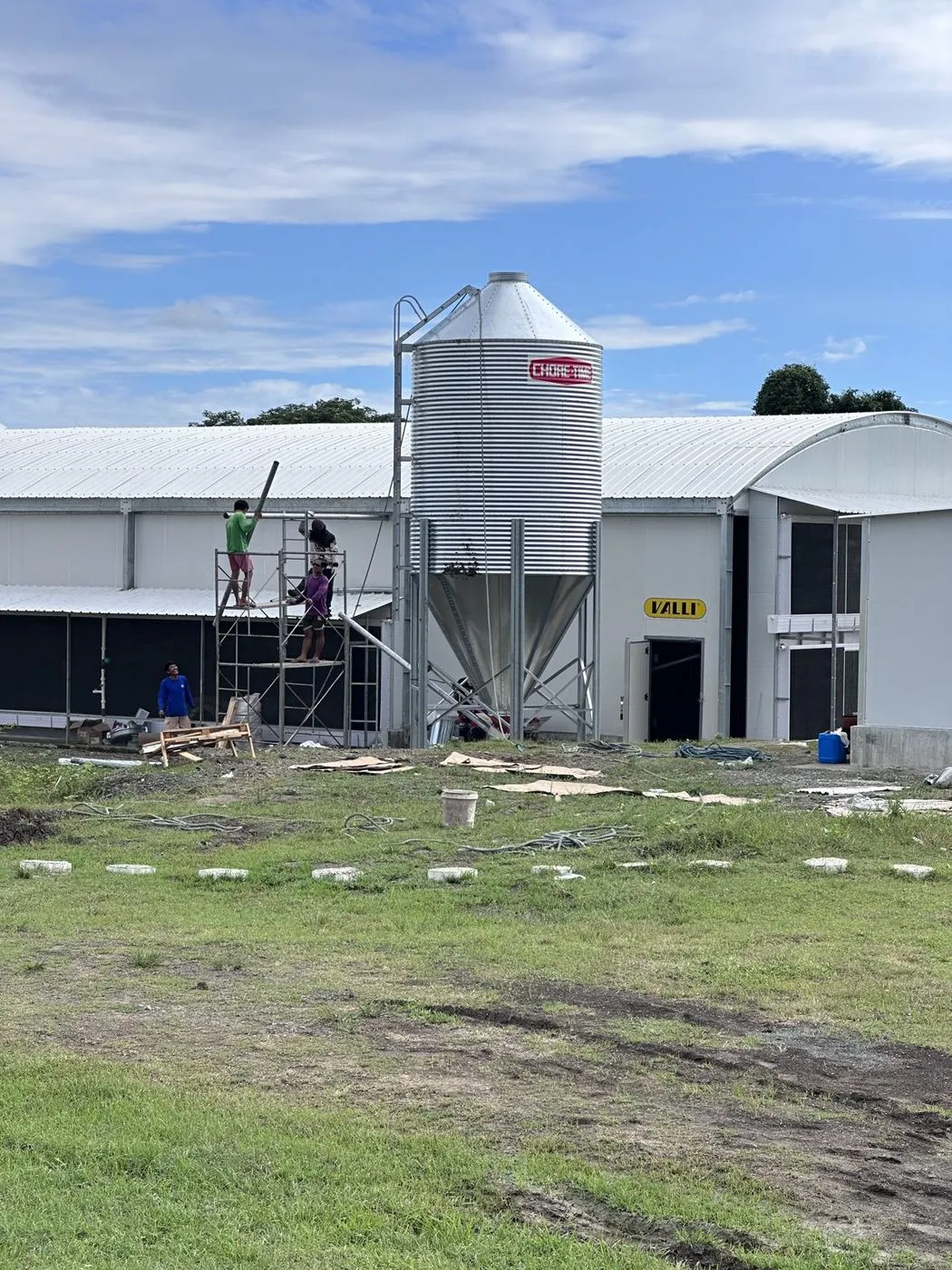
An 84 m x 12 m house delivered turnkey, from civil works and building to the full VALLI Modulo 135 equipment fit-out. Egg conveyor and egg room added as production scaled.
Integrated pullet rearing and cage layer production on the VALLI system, engineered for Philippine conditions: controlled feeding, clean eggs off the belt, and manure managed at source.
Across the Philippines, feed cost, egg quality, manure and fly control, and unit economics are all getting harder at once. Cage layer housing addresses them in a single system. AFI designs, builds, and equips it, from pullet rearing through lay, combining purpose-built buildings, best-of-breed equipment, and the environmental control needed to perform in a tropical climate.
Every AFI system decision traces back to one of them. Housing, equipment, and climate are one system, and the egg pays for all three.
Feed is the dominant cost of an egg. An even, fresh feed strip at every pass, no spillage, and a climate that keeps hens eating in the hot season all protect the conversion rate.
Persistency across the long cycle is decided by uniformity at transfer, lighting discipline, water availability, and heat stress management, working together.
Every retaining point engineered out between cage floor and egg room: floating floor, guided rolls, scraper-cleaned belts, gentle elevation.
Automatic feeding, egg collection, and manure removal take daily labour out of the house, and belt-clean manure handling takes flies, ammonia, and disease pressure out with it.
Pullets grow in a caged rearing house on the same building platform as production, then transfer onto the same VALLI cage family they were reared on: the same nipple action, the same feed presentation.
Placed in the rearing house
Caged rearing to uniform pullets
Onto the same VALLI cage family
Feed, water, climate, and light
Belt, ONDA elevator, conveyor, egg room
First-quality eggs, ready to grade
Both house types share the same AFI building system and climate backbone. The cage fit-out is what changes.
| Caged pullet rearing | Cage layer, 4 tiers | Cage layer, 5 tiers | |
|---|---|---|---|
| Purpose | Day-old chicks to uniform pullets | First-quality table eggs | First-quality table eggs |
| Typical house | 12 m x 120 m | 12 m x 96 m | 12 m x 84 to 102 m |
| Typical capacity | Up to 42,500 birds | Up to 40,800 birds | 40,000 to 55,400 birds |
| Cage system | VALLI Modulo Crescita | VALLI Modulo 135 | VALLI Modulo 135 |
| Configuration | 4 rows x 2 tiers | 4 rows x 4 tiers | 4 rows x 5 tiers |
| Stocking density | 300 to 320 cm² per bird | 445 to 500 cm² per bird | 445 to 500 cm² per bird |
| Feeding | Travelling hoppers or flat chain | Travelling hoppers or flat chain | Travelling hoppers or flat chain |
Reference configurations. Final configuration is determined by site conditions, production requirements, building dimensions, and equipment integration.
Fed, watered, lit, cleaned, and counted by the same automated system.
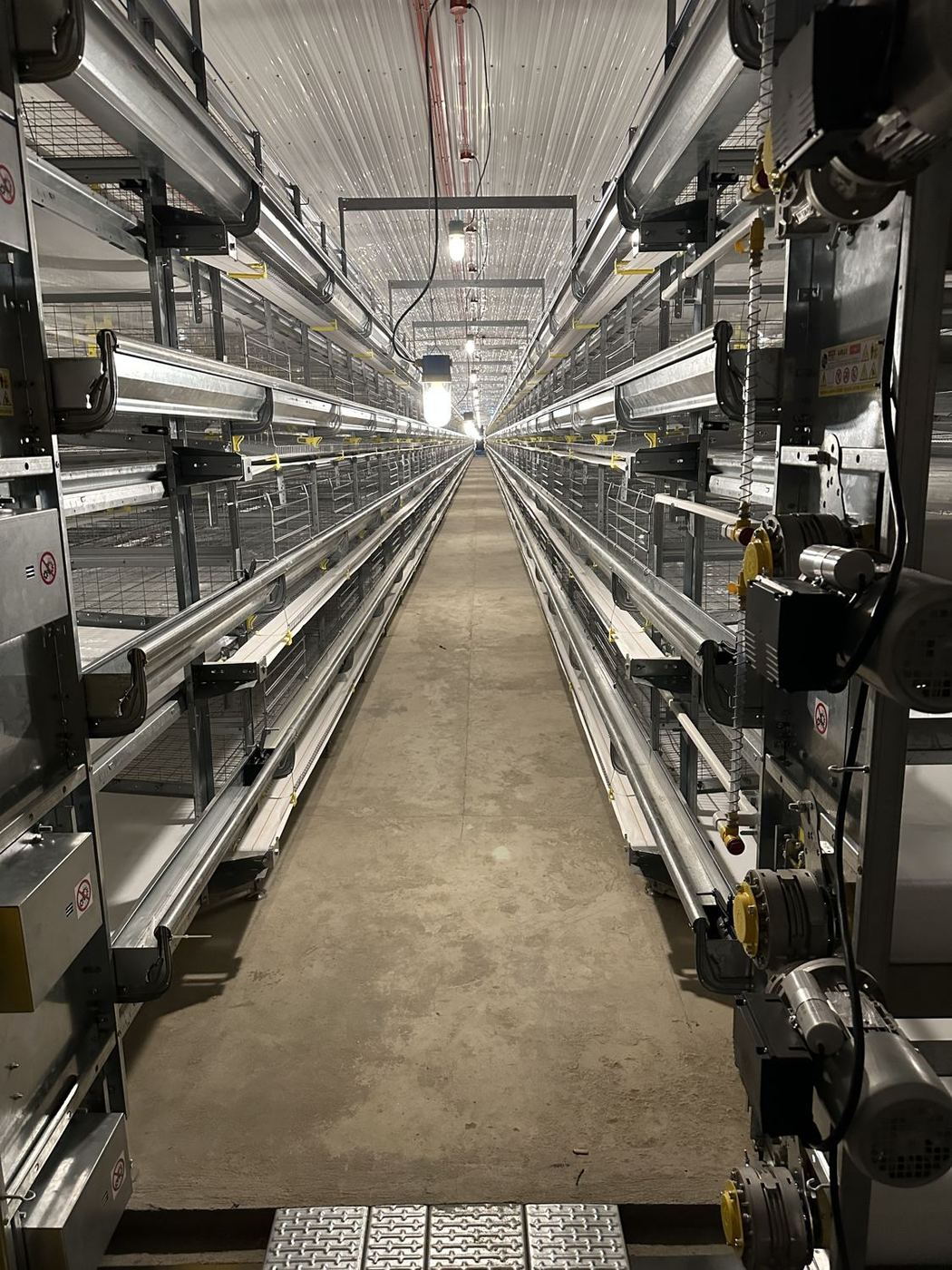
The AFI standard for the Philippines, designed for optimal hygiene, clean first-quality eggs, and consistent performance across the laying cycle.
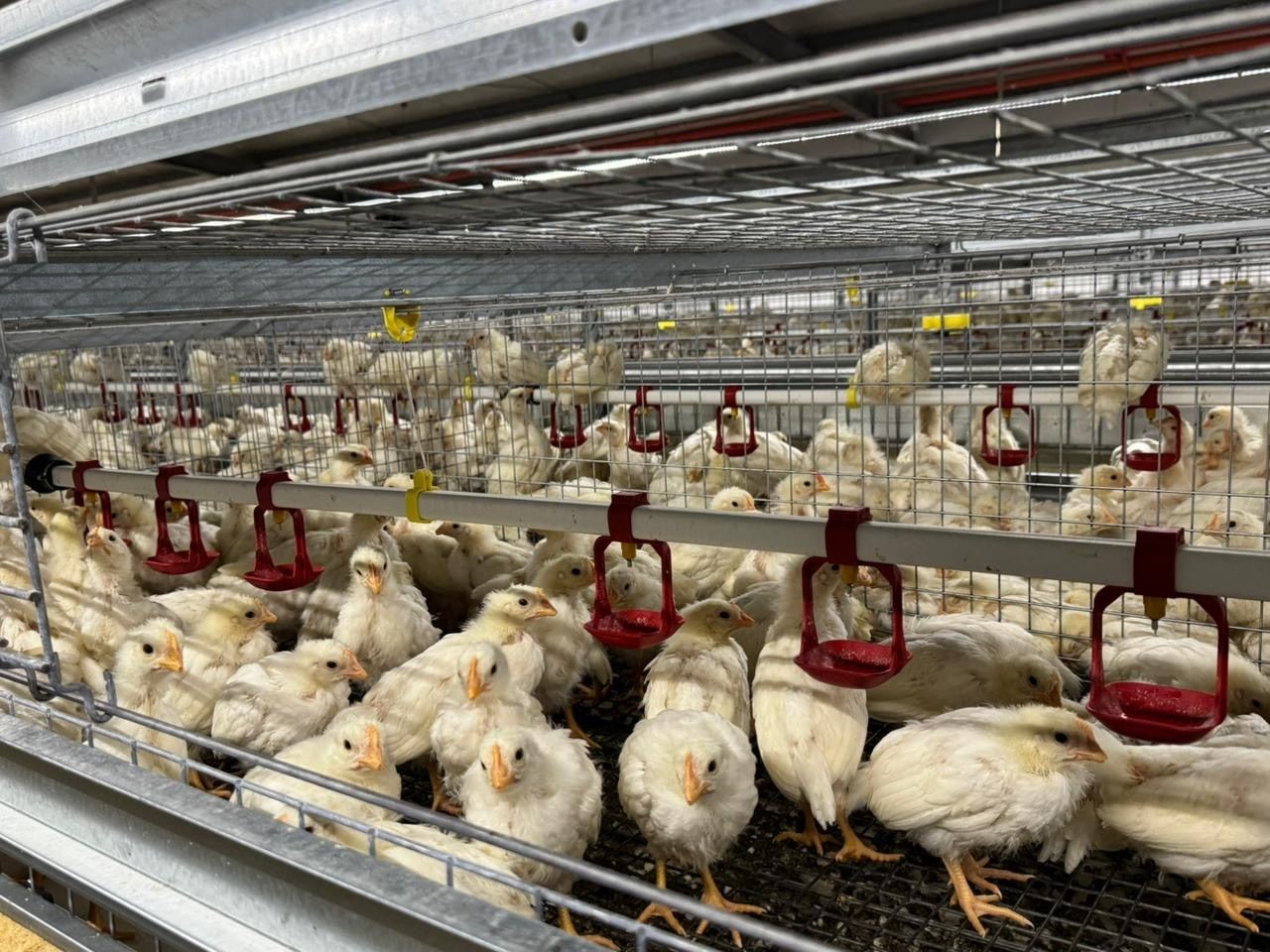
VALLI Modulo Crescita rearing cages run on the same building and climate platform as the production house, so pullets transfer onto a laying system they already know.
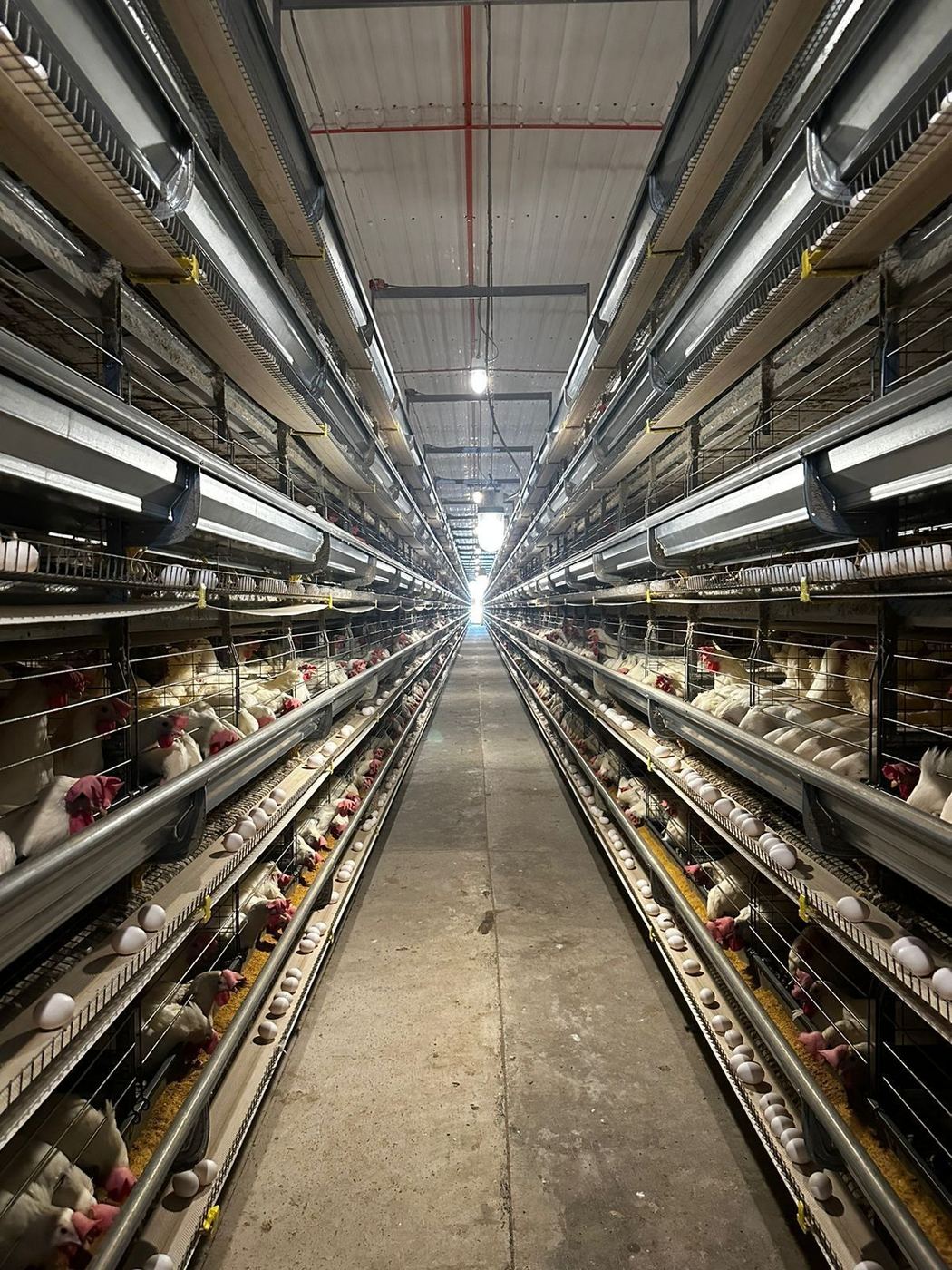
The travelling hopper is the AFI standard, with flat chain available on the same trough. At every pass the dispenser cleans the trough and restores the feed level, so every bird eats the same feed.
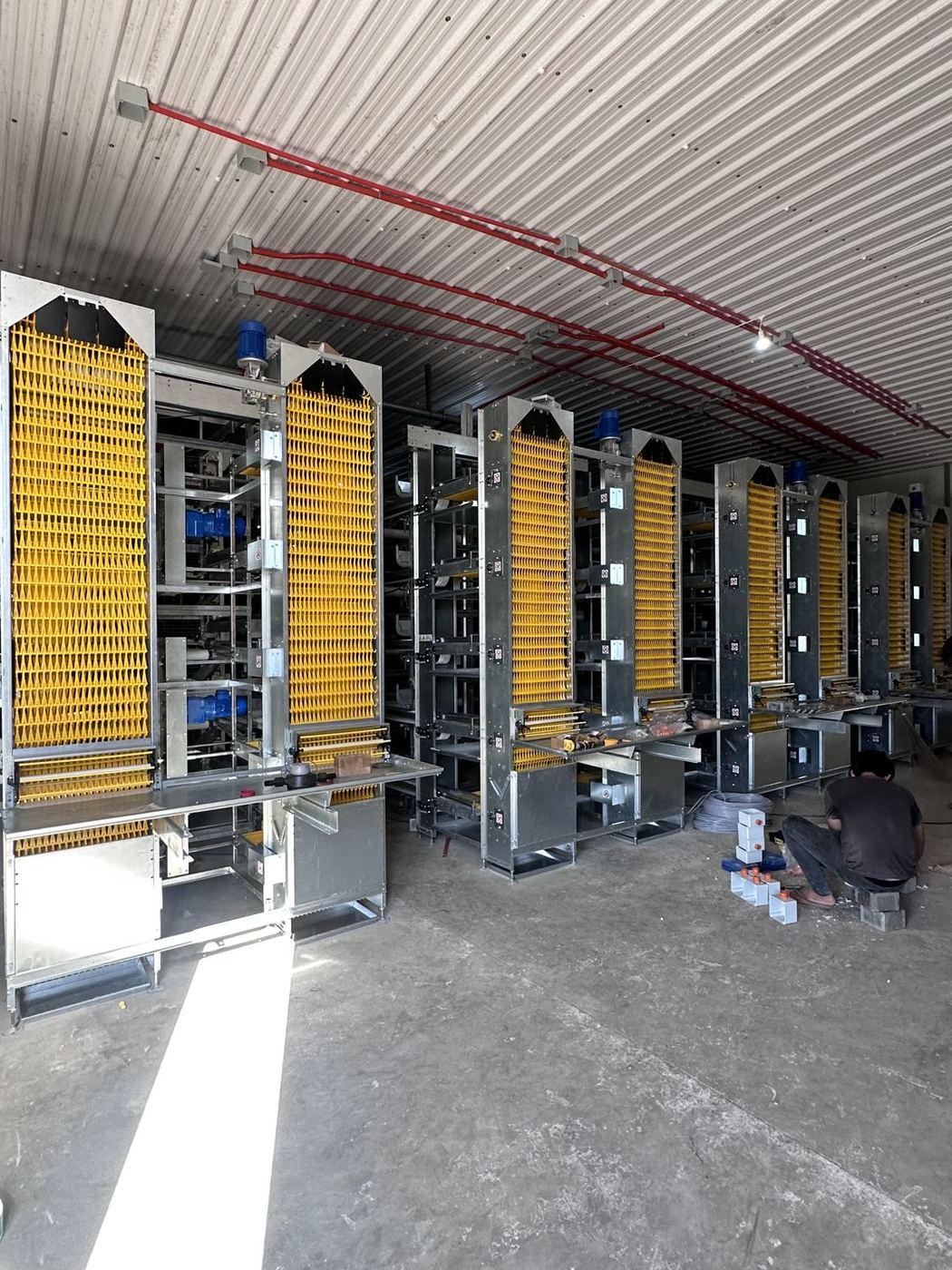
Eggs roll onto scraper-cleaned belts, rise gently on ONDA elevators, and travel by conveyor to the egg room. AFI is the Lubing dealer for the Philippines.
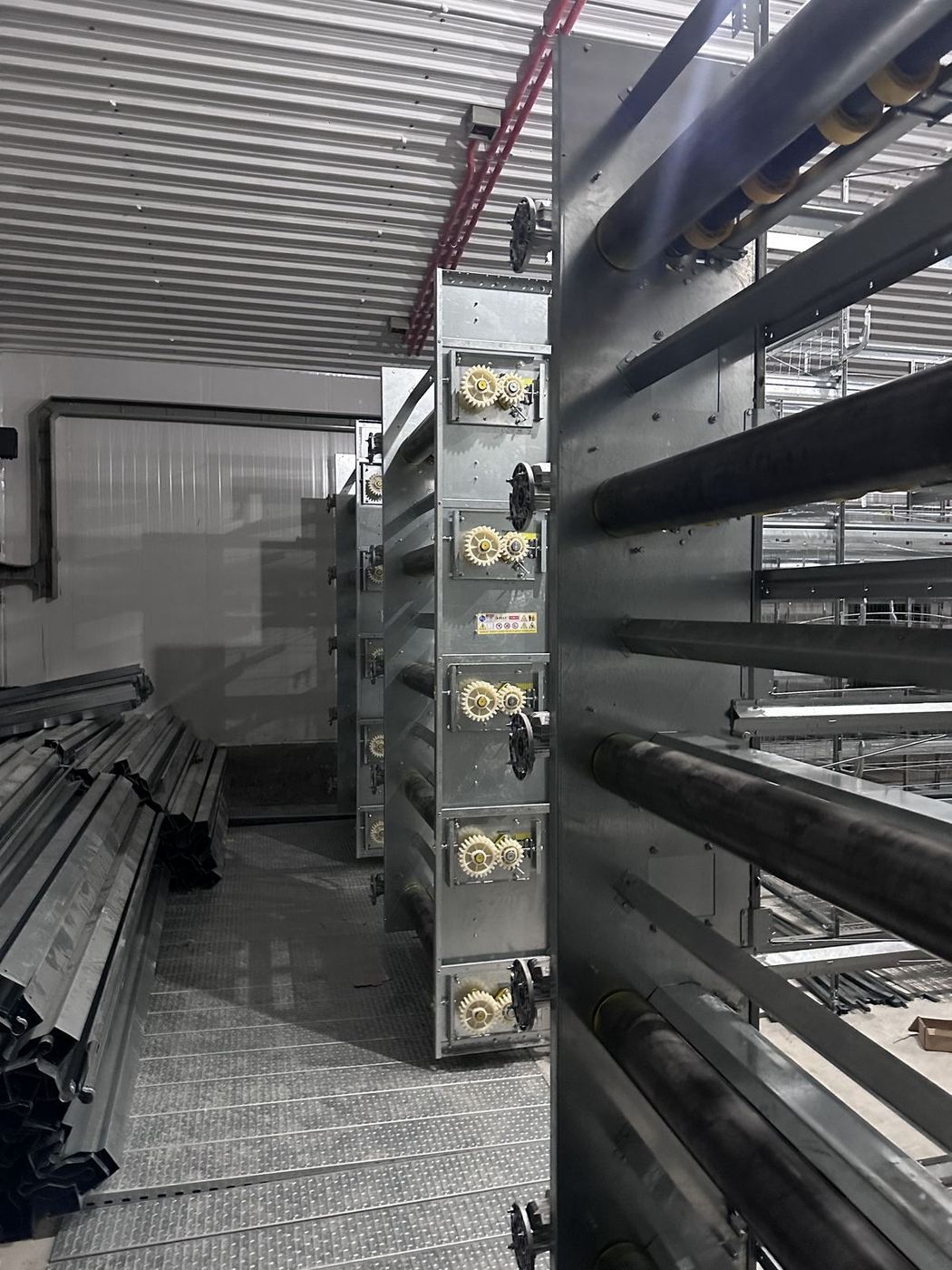
Manure is the issue Philippine layer operators feel most directly: flies, odour, neighbours, and the LGU. A belt-clean system removes it before it builds up beneath the birds.
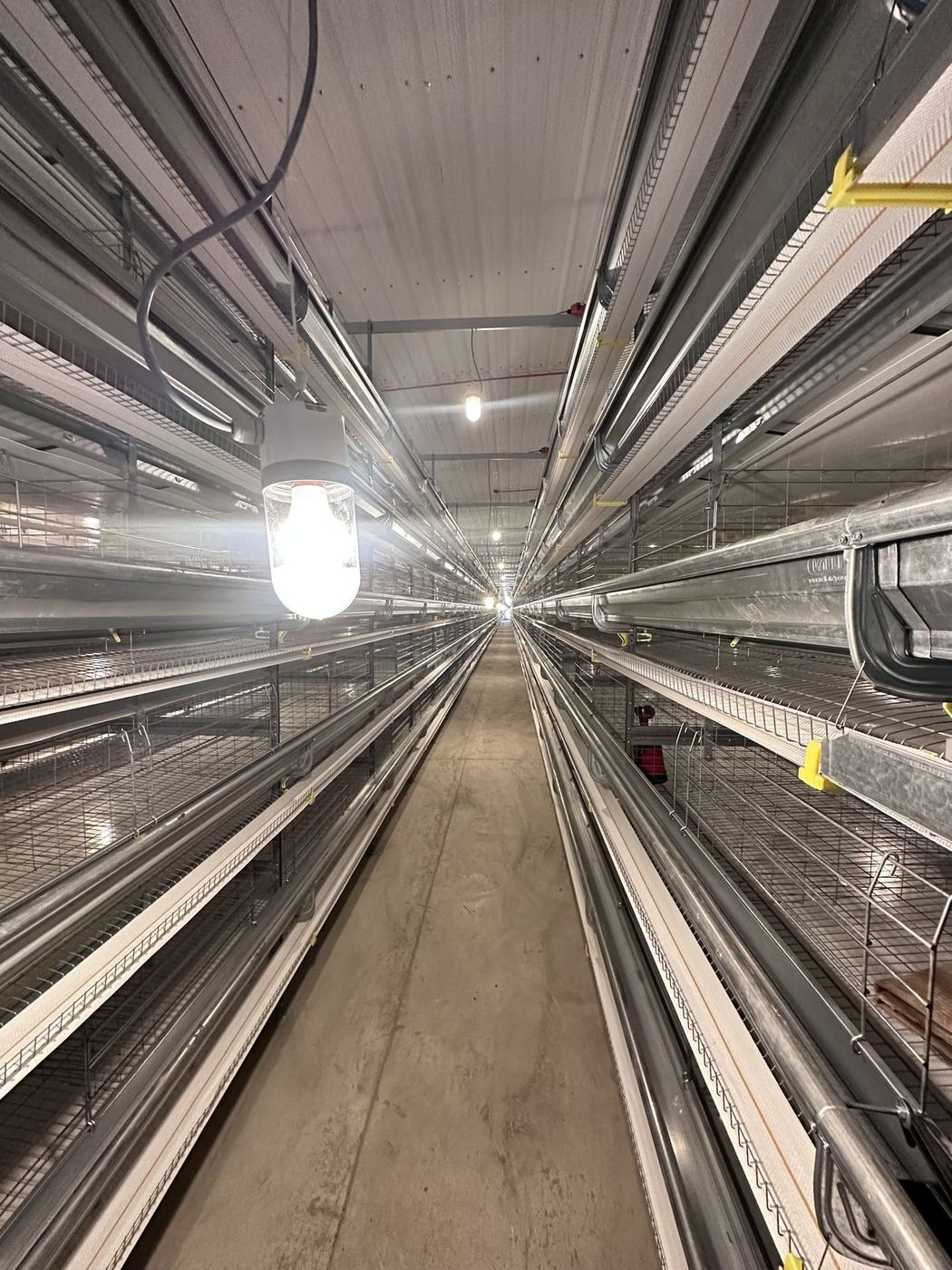
Day length and intensity drive sexual maturity, onset of lay, and persistency. AFI holds the exclusive Philippine dealership for Hontech-Wins poultry LED lighting.
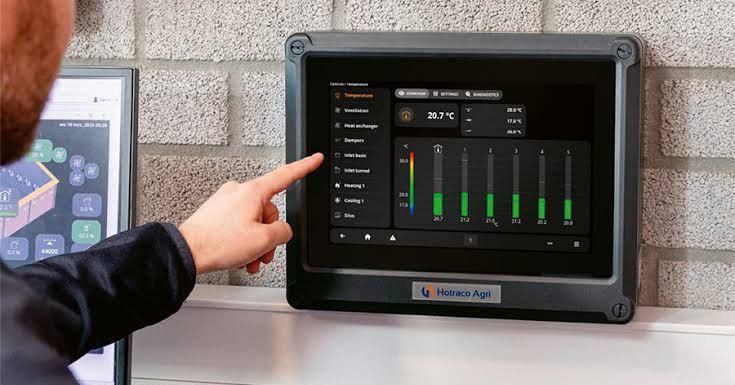
In a multi-tier house, conditions must be right at every tier, not just at head height. Insulation, ventilation, inlets, cooling, and automation are designed as one system.
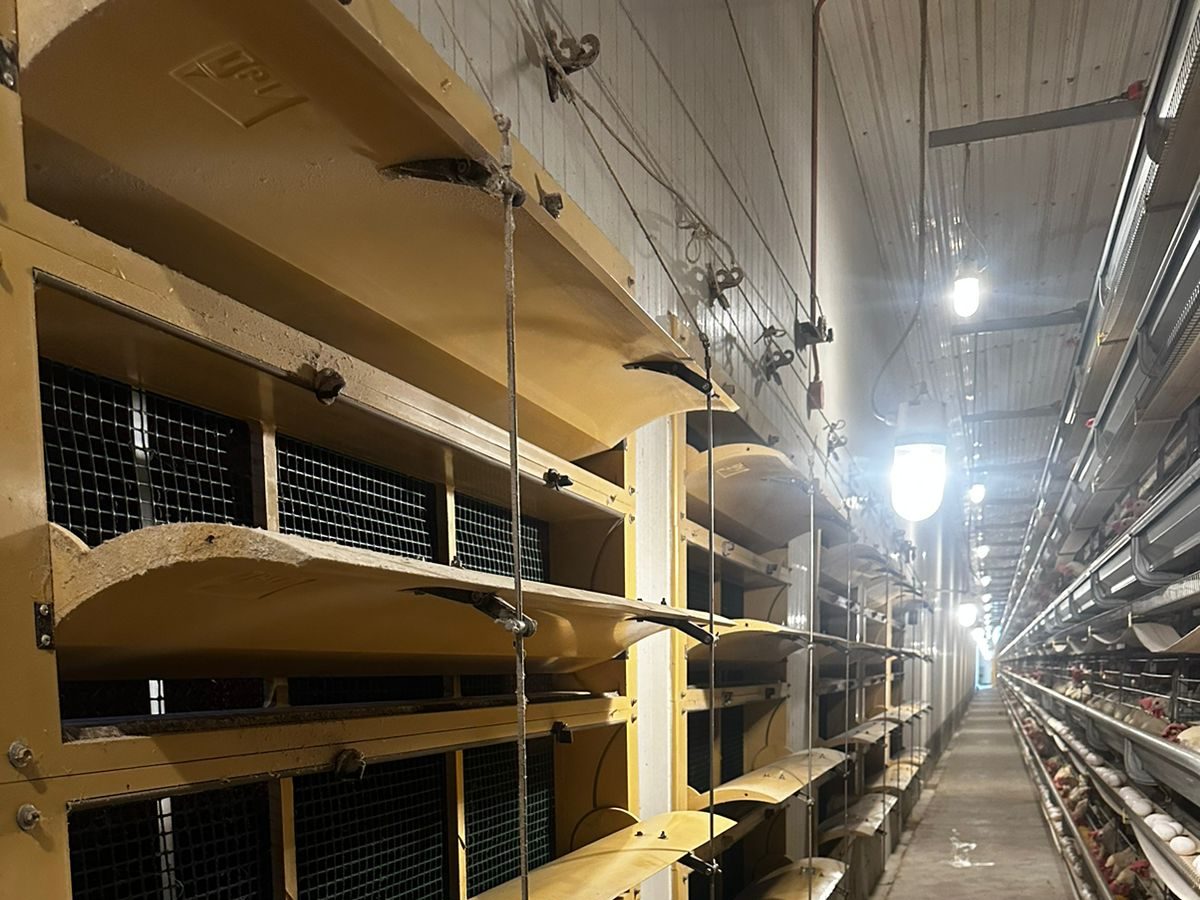
In a caged layer house the incoming air has to reach every tier. TPI Omniflux side wall inlets, standard on AFI multi-tier cage houses, set air speed and direction independently at each inlet. At the cooling pads, TPI 6000 series tunnel units open and close by winch from the controller.
Reference projects delivered on the VALLI system across the Philippines.
An 84 m x 12 m house delivered turnkey, from civil works and building to the full VALLI Modulo 135 equipment fit-out. Egg conveyor and egg room added as production scaled.
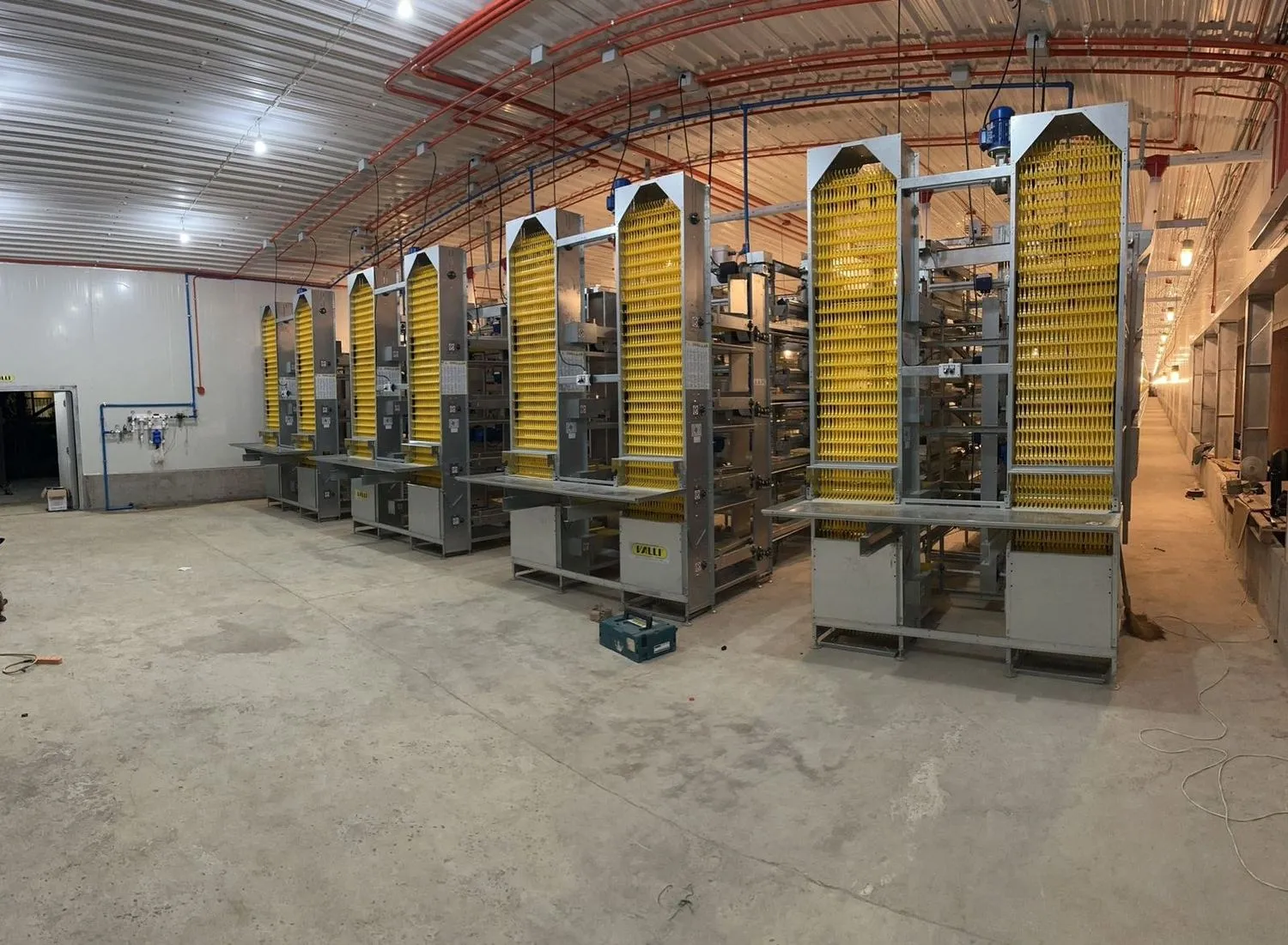
A 96 m x 12 m layer house on VALLI Modulo 135, with ONDA egg collection, egg saver and egg protector systems.
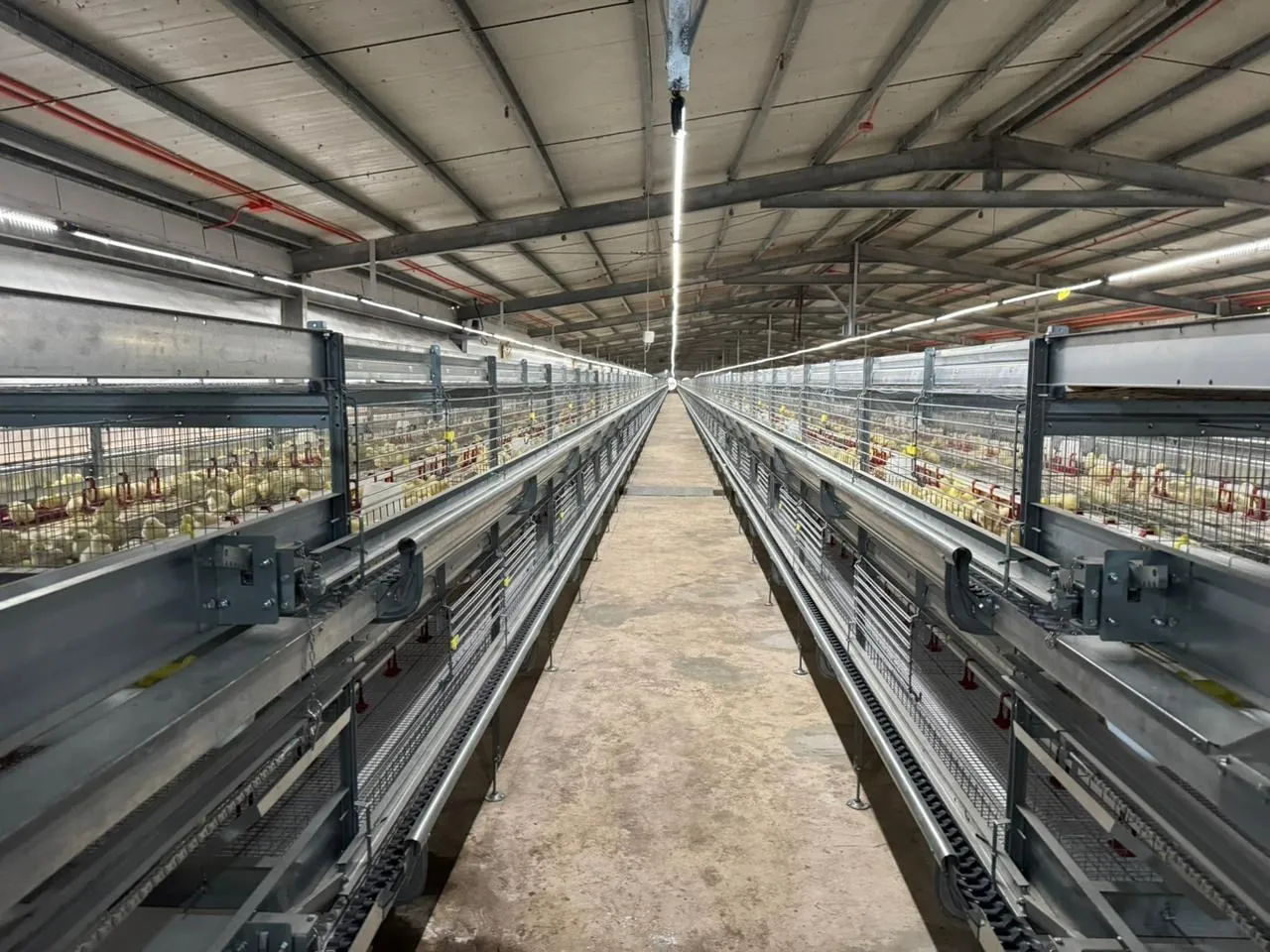
A 120 m x 12 m rearing house re-equipped with VALLI Modulo Crescita pullet cages, chick grids, winched drinking lines, brooding heat and Hotraco environmental control.
Every project is a working reference. AFI arranges site visits for prospective operators on request.
Every AFI layer house is delivered with a written warranty, a VALLI spare parts kit on site, and an AFI technician on farm for the first grow. Training covers control units and the lighting programme, ventilation, feeding and the weighed ration, drinking and dosing, egg collection, manure belts, and maintenance.
Every project follows one structured engagement model, so buildings, equipment, and environmental systems function together as a complete facility.
Site assessment, building and system design, and full project planning.
Structural fabrication, equipment sourcing, and logistics coordination.
Building erection, system installation, testing, and commissioning.
Training, early operational support, and ongoing performance optimisation.
Detailed technical specifications available on request.
Tell us your site, flock size, and timeline. We will scope the rearing and production houses around them.
Request a quote